
.svg)


October 2, 2026
October 2, 2026

Reading time
October 2, 2026
October 2, 2026
At the conclusion of this year’s Climate Week NYC, I was talking with a client who commented that the event’s name is no longer a great fit. The conversations have broadened so much that “Energy Week” would be more appropriate. This shift has been happening for years, but it really resonated in 2026.
While many topics of conversation echoed last year’s event—data centers’ massive energy demand, permitting reform progress, and the promises of emerging clean firm power like geothermal and fusion—there were some notable evolutions. Our Energy & Infrastructure team was on the ground at the event again this year and walked away with a few key themes.
Community backlash to the data center buildout is at the front of everyone’s minds heading into the midterm elections. The backlash has risen to a roar over the last year. 75% of Americans now oppose data centers being built near their communities.
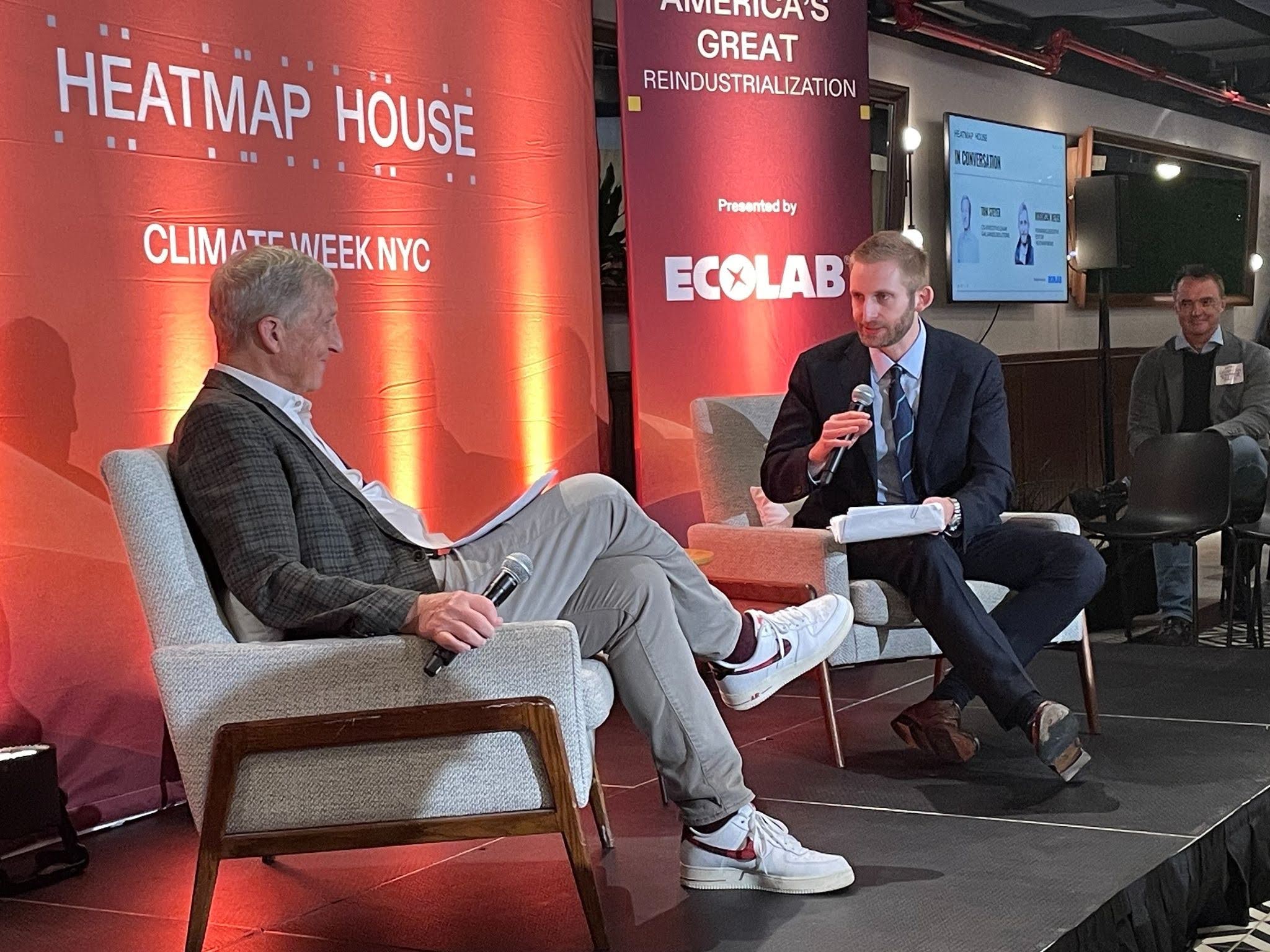
Tech companies and politicians alike are figuring out how to talk to communities about this issue. At Heatmap House, climate tech investor and former California gubernatorial candidate Tom Steyer emphasized the importance of having candid conversations about electricity prices, clean water availability, and insurance costs. He stressed that for data centers to have any chance of winning over communities, people must see them as being in their interest and bringing them tangible benefits.
Data centers’ use of natural resources, especially water, is a top concern among community members. The focus on water availability, consumption, and equity struck me as a topic that came to the fore this year.
I was fortunate to participate in an Axios roundtable about water and economic growth with leaders from Salesforce, Amazon, the NYC Mayor’s Office, and leading water nonprofits. We discussed the importance of companies creating hyperlocal communication strategies and messaging about water, since water is such a local issue. For example, communities that depend on the Colorado River face drought issues that are vastly different from the flooding in other parts of the country.

Given communities’ concerns about data center water use, it’s crucial for companies to be direct and transparent in their messaging.
Given communities’ concerns about data center water use, it’s crucial for companies to be direct and transparent in their messaging. There's some understanding that data centers can use a lot of water for cooling, but it's often less clear what else they use water for and how much they consume. Data centers’ power sources are a big contributor: gas turbines use significantly more water than fuel cells, for example.
To address the murkiness around data center water use, Ecolab’s Emilio Tenuta proposed that data centers create reporting systems to share the full scope of their water usage, similar to Scope 3 emissions reporting.
I noticed many more conversations this year about how, despite AI data centers’ massive energy demand, AI itself can help advance emerging energy technologies like geothermal and fusion. While much of this is still theoretical, there are examples of it actually happening, including geothermal company Zanskar using AI to get more energy from existing wells.
Obvious Ventures’ climate tech investor Andrew Beebe published a compelling opinion piece in Heatmap about this, arguing that AI can help create “meaningful, even transformative climate benefits” and outlining a framework to “point AI and climate tech in the same direction.”
While Amazon, OpenAI, and others push forward with building massive gas-powered data centers, clean energy and batteries including “solar, wind, and storage accounted for 92% of new power capacity” on the U.S. grid last year. Latitude Media executive editor Stephen Lacey said he left Climate Week with his head spinning from these “wildly divergent” realities, a feeling I understand well.
Things are changing fast. A year from now they’ll look even more different, in ways that we can’t yet predict. Mission North’s Energy & Infrastructure practice helps companies navigate these changes, demystify their technologies, and build trust with audiences. Reach out to us to learn more.
October 2, 2026
October 2, 2026

September 25, 2026
September 24, 2026
September 25, 2026
September 17, 2026

September 25, 2026
September 15, 2026
