
.svg)

October 7, 2026
October 6, 2026

Reading time
July 15, 2026
January 8, 2026
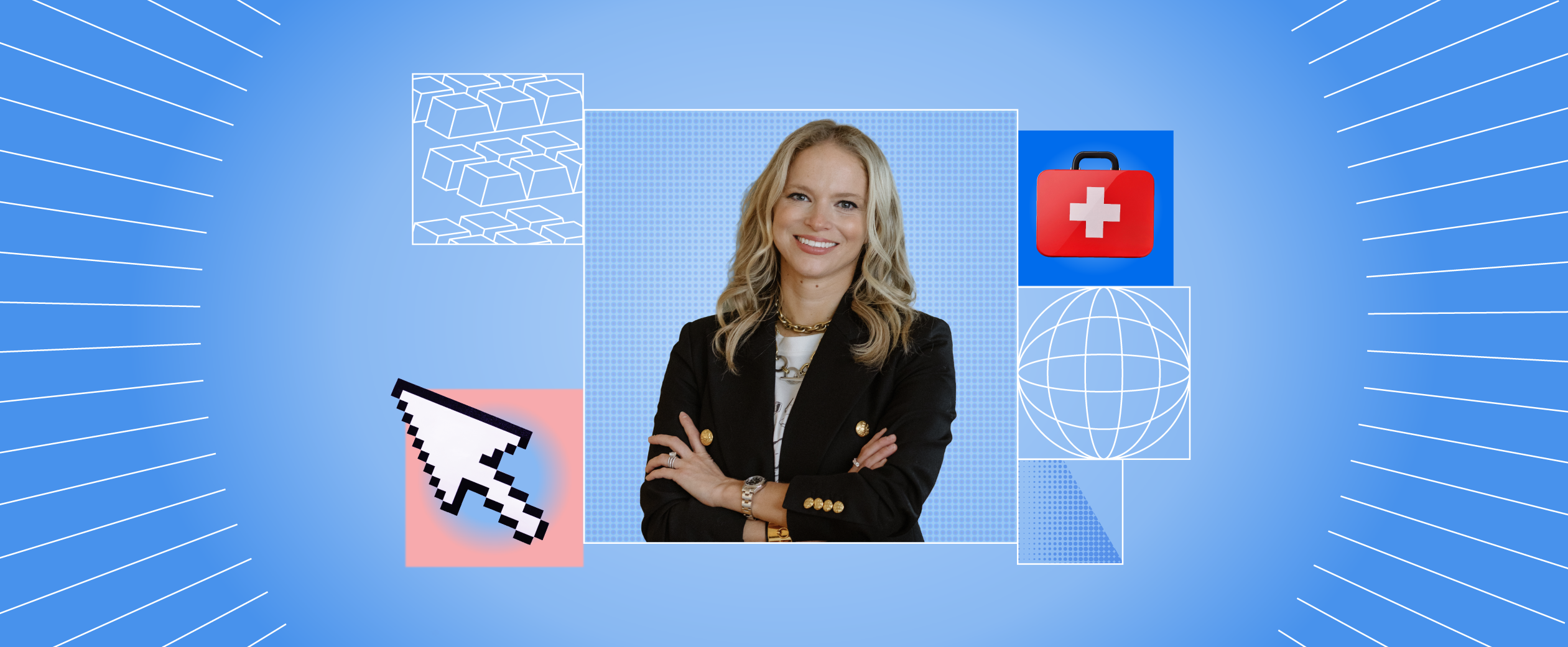
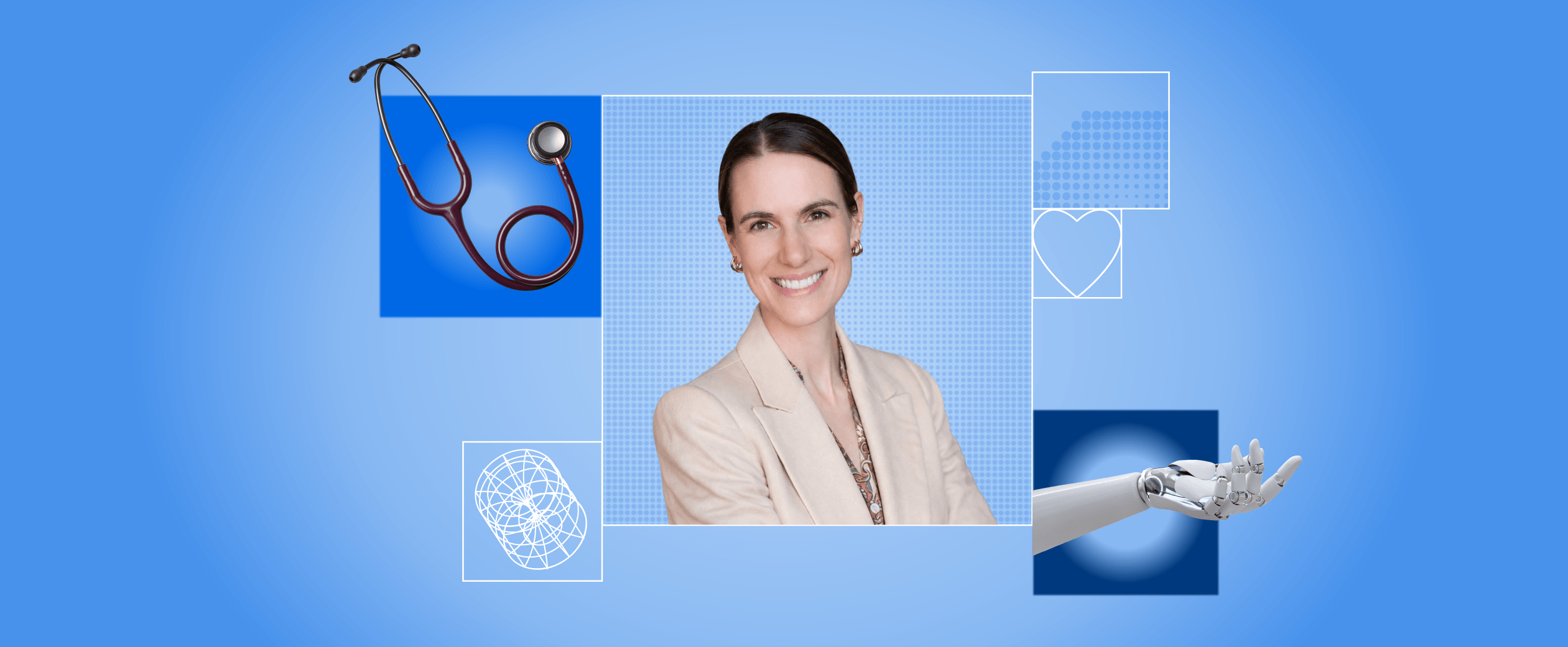
For most comms leaders, a “crisis” means a bad headline or a hostile tweet. For Alana O’Grady Lauk, vice president of communications & public affairs at the AI physical security company Verkada, it’s not a crisis unless lives are on the line.
For her, that means arriving first on the scene of a 911 call. Before tech and corporate comms, Alana was a first responder – an EMT – in the Washington, D.C. area. It’s an experience that hard‑wired her to stay calm when everyone else is spiraling.
Today, her “PR, not ER” mindset shapes how she leads through high‑pressure moments. And increasingly, she’s doing it with a powerful assistant at her side: AI. Alana is a true power user of tools like ChatGPT, which she treats less like a gadget and more like a core member of her team.
Our conversation has been edited for clarity and length.
It taught me grace under pressure and perspective. If you can survive as an EMT in the greater D.C. area — seeing people on their worst days — you can survive any high-stakes corporate environment.
There’s a phrase I live by: “It’s PR, not ER.” That’s not flippant; it’s grounding. In a crisis, people can feel like they’re on a ticking clock, and that panic can lead to indecision. My EMT training helps me slow time down. I can move quickly, but I’m calm and clear about what needs to happen next.
What being an EMT didn’t prepare me for was corporate hierarchy. In a firehouse, career progression is straightforward; if you put in the time and pass the tests, you move up. In corporate life, not everyone can be CEO or CCO. The ladder is narrower, and you have to navigate that reality while still advocating for your team.
I don’t think of AI as swooping in to solve problems for me. I think of it as an accelerant.
If I’m heading into a meeting on a new topic, I’ll have a back‑and‑forth with ChatGPT: “Explain this to me. Challenge this assumption. What am I missing?” By the time I walk into the room, I’m “dangerous enough” on the topic that I can make the best use of other people’s time.
I don’t think of AI as swooping in to solve problems for me. I think of it as an accelerant.
We’ve also used AI for very unglamorous comms work that would normally be a time sink. Recently, my team had about 100 quotes in an Excel spreadsheet that needed proper attribution in a specific format. We used a group chat in ChatGPT to clean and format everything. That would have taken hours by hand; instead, it freed the team to do more strategic work.
The more admin we can offload to AI, the more time we have to actually lead, connect with colleagues, and think creatively.
I think you have to onboard AI the way you onboard an employee.
When someone joins Verkada’s comms team, I have a strict protocol on how we speak and write. With AI, I do the same thing; I’ll upload multiple samples of writing that feel right for our brand and say, “This is the voice. Draft within this.” If everyone on the team uses a shared prompt and shared examples, we get more consistent first drafts, faster.
I also expect my team to use AI smartly, and to own the quality bar. It’s not enough to paste a prompt and hit send. The differentiator is: did you check that it’s accurate? Does it really sound like you and like the company?
When I was hiring a social media manager, we debated making them do a strategy test onsite so they couldn’t use AI. Then I realized, the right person will absolutely use AI. The skill I care about is whether they can harness it and still produce work that’s strategic, on‑brand, and unmistakably human.
The skill I care about is whether they can harness it and still produce work that’s strategic, on‑brand, and unmistakably human.
AI falls short when it stops being critical and just agrees with you. I’m a big believer in radical candor; feedback is a gift if it comes from the right place. Sometimes I can tell ChatGPT is complimenting me or hand‑holding me in a way I don’t need.
Just for fun, I asked it to grade me from 1 to 100 on how much of a power user I am. It gave me a 97, which is nice, but it also followed up with ideas for how to get better. That’s the kind of interaction I want: pushback, not just praise.
My worry is that some people will rely on an AI agent that’s a yes‑man. That’s dangerous, especially in comms, where your job is to see risk, question assumptions, and push for clarity.
AI has made me better at the human parts of my job by giving me back time and emotional margin.
AI has made me better at the human parts of my job by giving me back time and emotional margin.
Early in my career, taking meeting minutes was a big part of my workload. I’d stay late to clean them up and get them out within 24 hours. Now we use tools like Granola for transcriptions and Superhuman for email, and those tasks are largely automated. My team can focus more on relationships, not note‑taking.
There’s also the emotional regulation piece. We’ve all had that moment where you get an email, your heart rate spikes, and you want to fire off a response you’ll regret later. Now I’ll drop my rough draft into ChatGPT and say, “Make this as professional and kind as possible.” The final version is something I’m more confident about sending.
So yes, AI is deeply embedded in the work; but the outcome is that I have more time and headspace to be present with my team, my executives, and my family.
Alana O’Grady Lauk is the Vice President of Communications and Public Affairs at Verkada. This interview is part of Signalmakers, a Mission North series exploring how modern communicators blend curiosity, critical thinking, and creativity to lead in an AI-driven world.
October 7, 2026
October 2, 2026
October 7, 2026
September 24, 2026
September 25, 2026
September 17, 2026
