
.svg)



September 25, 2026
September 24, 2026


Reading time
June 25, 2026
February 13, 2026
Technically, RFP stands for Request for Proposal. But for many of us, it feels more like a Right Freaking Pain. It’s hard enough to answer an RFP, but even issuing one can feel just as laborious, rigid and stressful, especially today when they have to address the confusing issue of agency use of AI.
Done well, RFPs are helpful briefs to align expectations and inspire fresh, bold ideas. Done poorly, they can be perceived as arbitrary or even mean.
We see you, RFP writers. You’re running an exacting process while your team is already under pressure to do more with less. You need to choose an agency partner that's experienced, creative, and fluent in AI. So what questions should you actually ask? Here's our advice:
Tell the agency how AI is influencing team and your business. For some companies, especially in tech, AI use can be central and obvious. But for others, not as much. For example, a food technology company that enables corporate catering at scale might not seem like an AI leader. But integrations with agentic AI that reduce ordering errors and increase customer satisfaction may be vital for that brand to differentiate from the competition.
Similarly, it might not appear that AI is central to an upstart student loan consolidation company in the financial technology industry. But the company’s integration of AI operations might be improving its call center performance and accelerating the time between a recent graduate’s query and the reduction of their monthly bill. Know your own company’s AI story and make it clear in your RFP — it will help agencies demonstrate their skill in communicating AI messages.
Ask how the agency uses AI, and how they measure AI impact. Your agency partner needs to demonstrate fluency with AI in their own work. They should be able to describe both on paper and in the pitch meeting what specific tools they deploy, how they measure ROI and what the upside is for your budget and scope.
At Mission North, we use AI in our day-to-day workflows to make us more efficient and effective, so that we can deliver even greater ROI to our clients. Depending on our client’s preferences and requirements, we might:
When using these tools, we always, always assess their impact. Using AI, our teams:
Our clients benefit from these efficiencies because we’re able to spend less time on routine tasks and more time on the stuff that humans do better than robots: media relationships, creative thinking, big ideas and strategic storytelling.
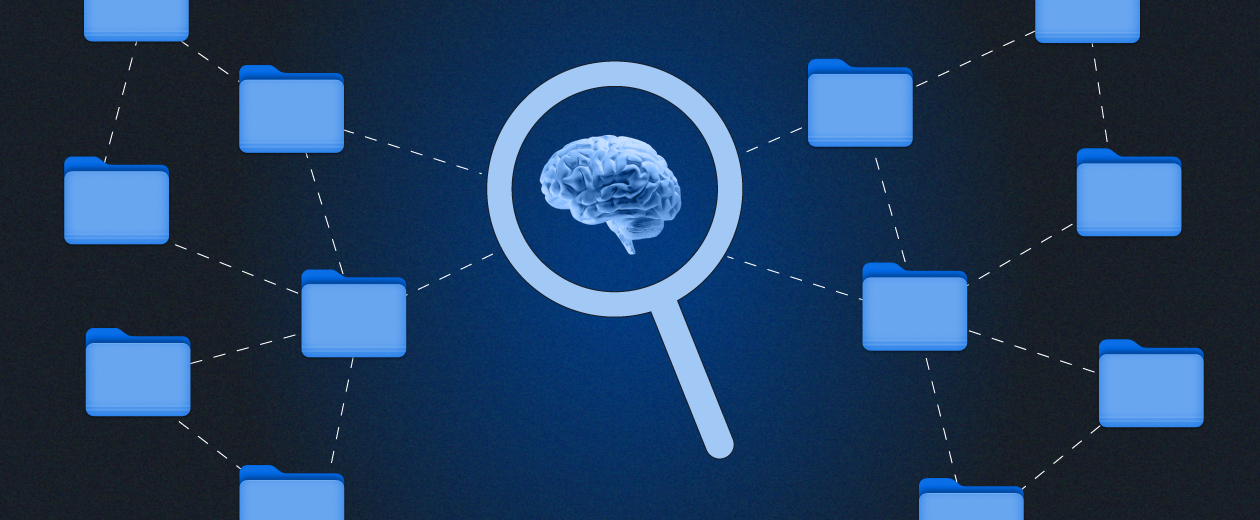
Tell the agency to describe how they think about AI-powered search and discovery (AEO and GEO). AI discovery is transforming search, and the field of optimizing for it, distinct from traditional SEO, is evolving quickly. AEO (Answer Engine Optimization) is the practice of making your content discoverable and citable by AI assistants like Google Gemini. GEO (Generative Engine Optimization) is ensuring that when AI tools generate answers about your industry or company, you're positioned favorably, even without direct citation.
At Mission North we recommend audits for both, using tools like Evertune and Profound. AI-powered search works differently than traditional SEO, and it sits in a grey area between communications and digital marketing.
Earned media has an outsized influence on generative AI-driven search results, so teams have to give good counsel about how to influence those results through communications programs. RFP responses can help identify the agencies that understand this new era, and those that don’t.
Require the agency to articulate its AI philosophy and policies. It’s not enough to use AI for increased productivity. AI has to be used responsibly. Look for agencies with formal commitments to responsible AI use, whether that's part of employee standards, client agreements, or both. The best agencies will make clear that AI enhances their critical thinking and creativity, rather than replacing it.
Generative AI is a powerful partner that amplifies human abilities, sparks new ideas, creates efficiencies, and drives greater impact for clients. We embrace AI at Mission North to enhance our work, not to replace our judgment. Our commitment is to lead the industry, by pairing the best of human talent with the best of technology.
September 25, 2026
September 24, 2026
September 25, 2026
September 17, 2026
September 25, 2026
September 15, 2026