
.svg)


October 1, 2026
October 1, 2026

Reading time
October 1, 2026
October 1, 2026
Reputation used to be something communications teams protected. Today, it's something they have to earn in real time, often long before a decision ever lands in public.
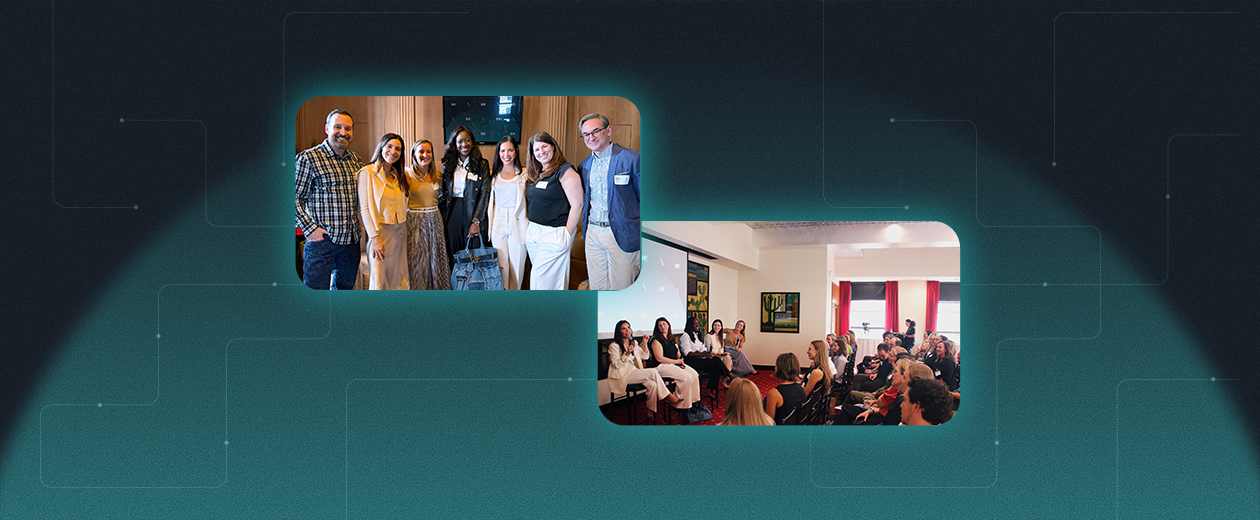
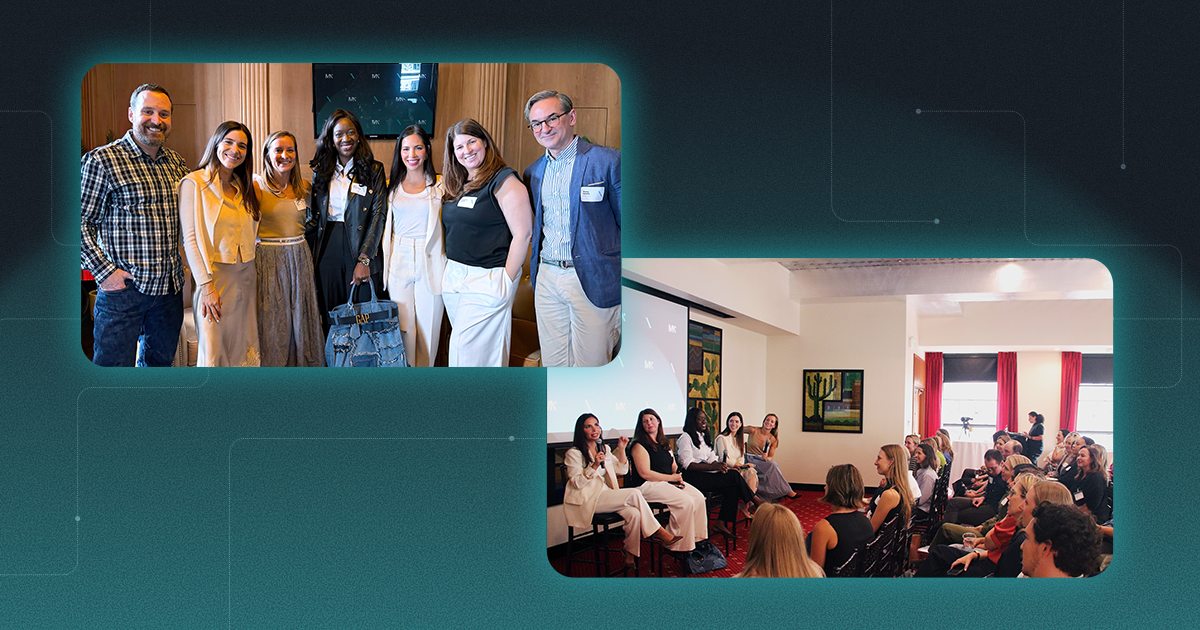
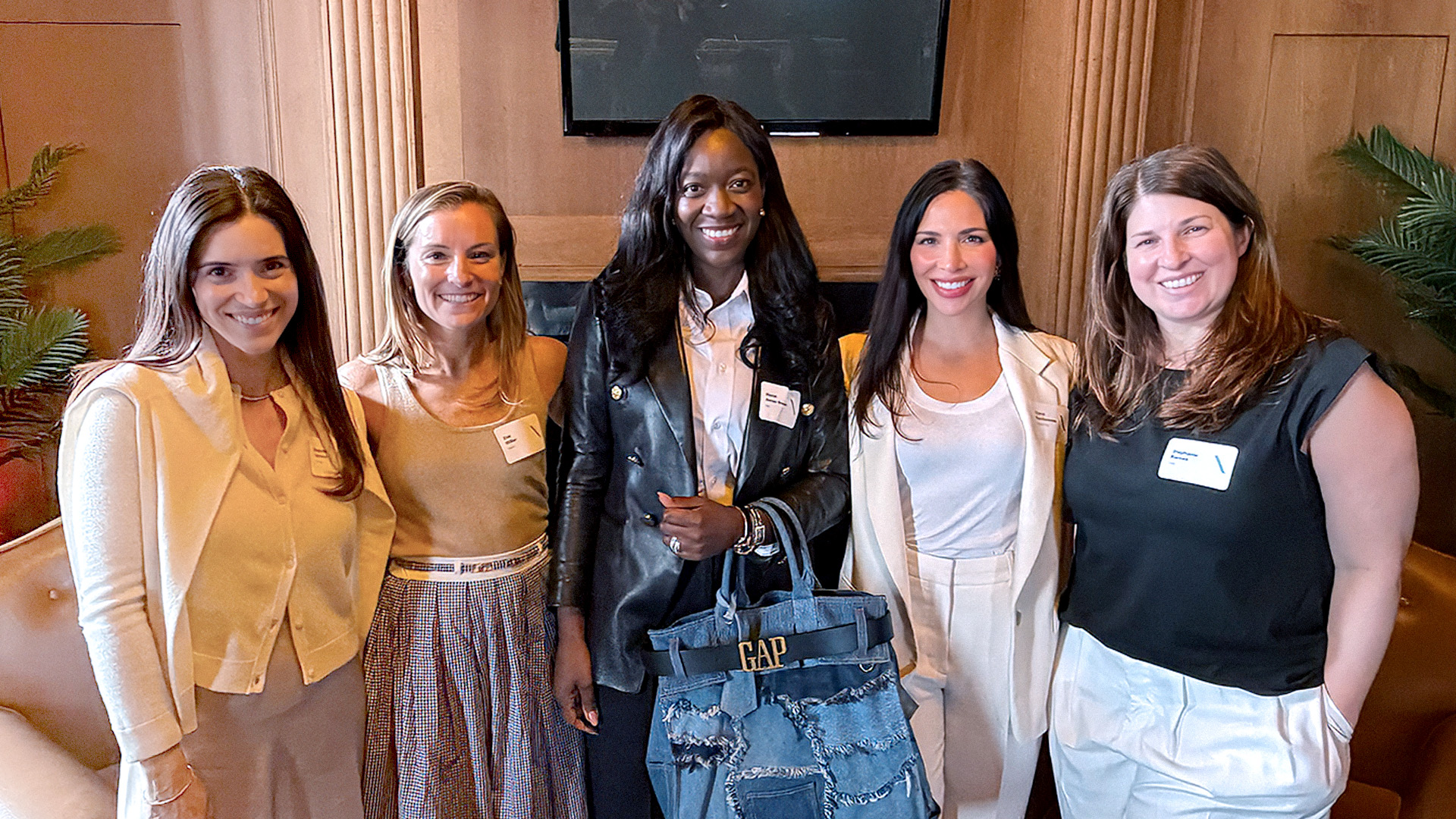
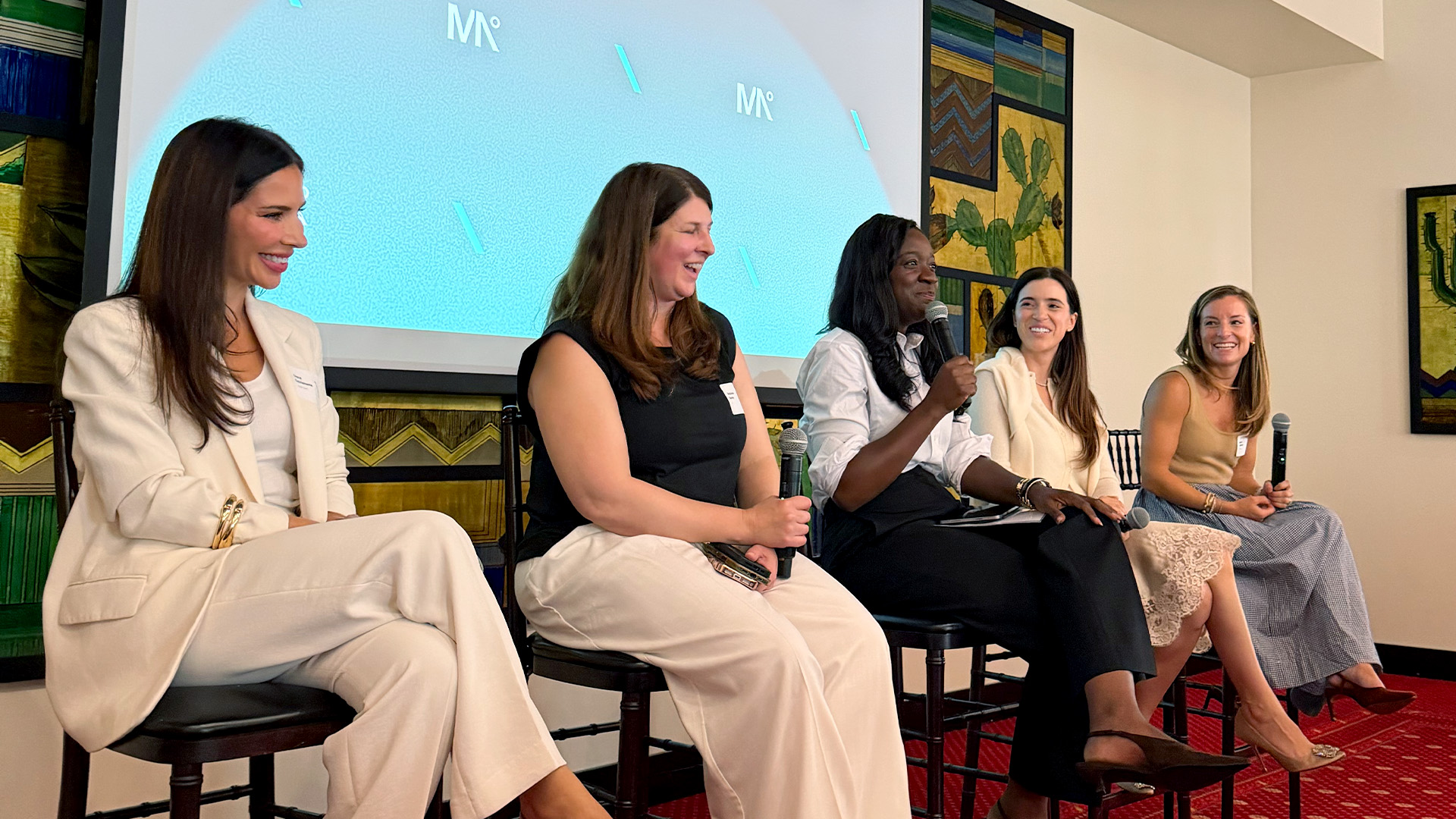
That idea ran through a recent conversation I moderated at Mission North with five communications leaders behind some of the most recognizable brands in tech, finance and retail:
They covered a lot of ground: AI, competing audience needs and what the job should even be called now. But, the conversation kept coming back to judgment. The job increasingly requires knowing when to move quickly and when to exercise restraint, when to speak and when to stay quiet, and where technology can accelerate the work without making the call. Here are some of the judgment calls they’re making.
Asked about the hardest part of the job right now, Cheryl Sanclemente of Google Cloud pointed to AI, which she says has drastically decreased the time between a comms team considering a message and an audience receiving it. That raises the stakes on judgment. In her view, communicators have to be the "adults in the room": pacing the story, protecting accuracy, and exercising restraint, especially when competing against less-regulated tech players willing to move faster and say more.
It also changes where the work happens. More and more of the role is behind-the-scenes business advising, shaping decisions before they ever land publicly.
The most important communications work increasingly happens before there's anything to announce.
Visa’s Stephanie Barnes described a constant balancing act. Consumers want trust and safety. Merchants want business growth. B2B partners and global regulators each bring their own priorities. Her answer is to treat it as a "team sport," hold the line on message consistency, and anchor every decision to a north star built on trust, truth, and defensibility.
Dakota Kate Isaacs of Quince juggles a different mix: consumers on social, traditional press, and supply chain partners. She also pointed to an audience many companies overlook: their own experts. Roughly 30% of Quince's 900 employees are engineers, so the team launched a dedicated tech blog that lets that talent tell its own stories directly.
Consistency across audiences doesn't mean one message. It means one set of principles every message answers to.
The panel spanned a 30-year internet icon, a legendary retail name, and a fast-growing direct-to-consumer brand. None of them treated reputation as something they could coast on.
At Quince, reputation is built on product trust and quality. The company holds products to an average 4.7-star review threshold. If a product drops below that bar, it's taken down and reworked entirely. Unflattering customer reviews aren’t buried, they’re used as signals for when something needs to change.
At Gap Inc., Mame Annan-Brown frames reputation around two metrics: relevance and revenue. Nostalgia and culture built the brand's equity, she said, but it has to be continually re-earned through rigorous, disciplined consumer research.
At Yahoo, Erin Miller described a brand renaissance following the company's return to private ownership under Apollo. The team reconnects product innovation to culture by pairing launches with pop-culture moments, such as launching its Weather app with Bravo's Kyle Cooke. Internally, employee AMAs and sentiment serve as a key measure of brand relevance.
And at Visa, trust isn't just a brand value. It's a growth constraint. Barnes noted that consumer hesitation around payment security is the single largest barrier to scaling emerging commerce technologies like agentic AI and stablecoins.
Legacy gets you in the door, but proof keeps you in the room.
When should a company step into a public conversation? The answer from the stage was clear: less often than you think, and only when it counts.
Sanclemente, whose enterprise cloud business serves a majority of the Fortune 100, described embracing the discipline of discernment rather than feeling the need to chime in on every cycle. Her bar is the measure of real consequence. What are the repercussions of not adding to the conversation? Audience matters, too; Google Cloud and Google speak to different audiences, both enterprise and consumer. And when a company does weigh in, its point of view should be measured and meaningful, especially when the issue touches people and impacts them.
Barnes added that the call still comes down to human gut instinct and context, which AI can't teach or replace. Annan-Brown agreed; AI is moving fast, but the fundamentals haven't changed, and human intuition is paramount.
Silence, chosen deliberately, is a valid strategy.
Every panelist's team is putting AI to work, and each has built its own model for how they do it.
Quince was built using AI, and it's deeply ingrained in business processes. Employees get wide access to AI tools, and each is paired with an engineering "buddy" to explore new use cases and custom solutions. Yahoo hired an AI Adoption Lead who works across the full business to build use cases and create shared recommendations for the whole organization. At Gap Inc., AI expands operational capacity, from real-time trend monitoring to spotting a possible emerging supply chain crisis.
But Annan-Brown was clear on the limit. The tools make teams faster and more aware. Human judgment still makes the call.
The tools make teams faster and more aware. Human judgment still makes the call.
According to Annan-Brown, the equity of the Chief Communications Officer position is at an all-time high. Her own role proves the point. It spans global corporate communications, philanthropic strategy through the Gap Foundation, and municipal urban revitalization in San Francisco. She argued that the strongest teams are built with cross-sector leaders from tech, finance, public policy, and nonprofits, people whose range of experience helps them "see around corners" in a crisis.
That expansion raised a question from the audience: What should we even call this function now? The panel had options.
The panel also tackled a familiar pain point: the CEO who wants to review ten drafts and comment on everything. Sanclemente and Barnes recommended drawing on examples of past mishaps, or letting leaders experience the real-world feedback of their choices. Isaacs suggested narrowing the executive's lane to a specific thought-leadership topic. Annan-Brown reframed the challenge, pointing out that shaping an executive's persona into a clear voice is a powerful business driver when it's managed well.
On balancing risk-taking against brand protection, the panel agreed that speed matters at every stage. Isaacs said that in a fast-growing startup, you have to fail fast; what matters most is how quickly you bounce back. Sanclemente, reflecting on her own startup experience wearing multiple hats, described balancing scrappiness with an understanding of what investors and audiences can tolerate. She stressed that the opposite is also true—legacy enterprises will cease to exist if they move too slowly.
Asked what sits at the foundation of their organizations’ reputations, the panelists pointed to security, authenticity, purpose and trust.
Finally, the panelists shared the advice they'd pass to the next leader of their team.
AI is speeding everything up. Audiences are multiplying. The role keeps expanding. But the leaders on this stage kept returning to the same fundamentals: trust, discernment, and clarity. The job, as these five leaders describe it, is still about earning trust and using good judgment, just faster and with more people watching.
Thank you again to our panelists, Cheryl Sanclemente, Stephanie Barnes, Mame Annan-Brown, Dakota Kate Isaacs, and Erin Miller for their candor and insight, and to everyone who joined us in the room.

September 25, 2026
September 24, 2026
September 25, 2026
September 17, 2026
September 25, 2026
September 15, 2026
